Colorectal Surgery
Surgery of the colon and rectum — from cancer and diverticular disease to inflammatory bowel conditions.
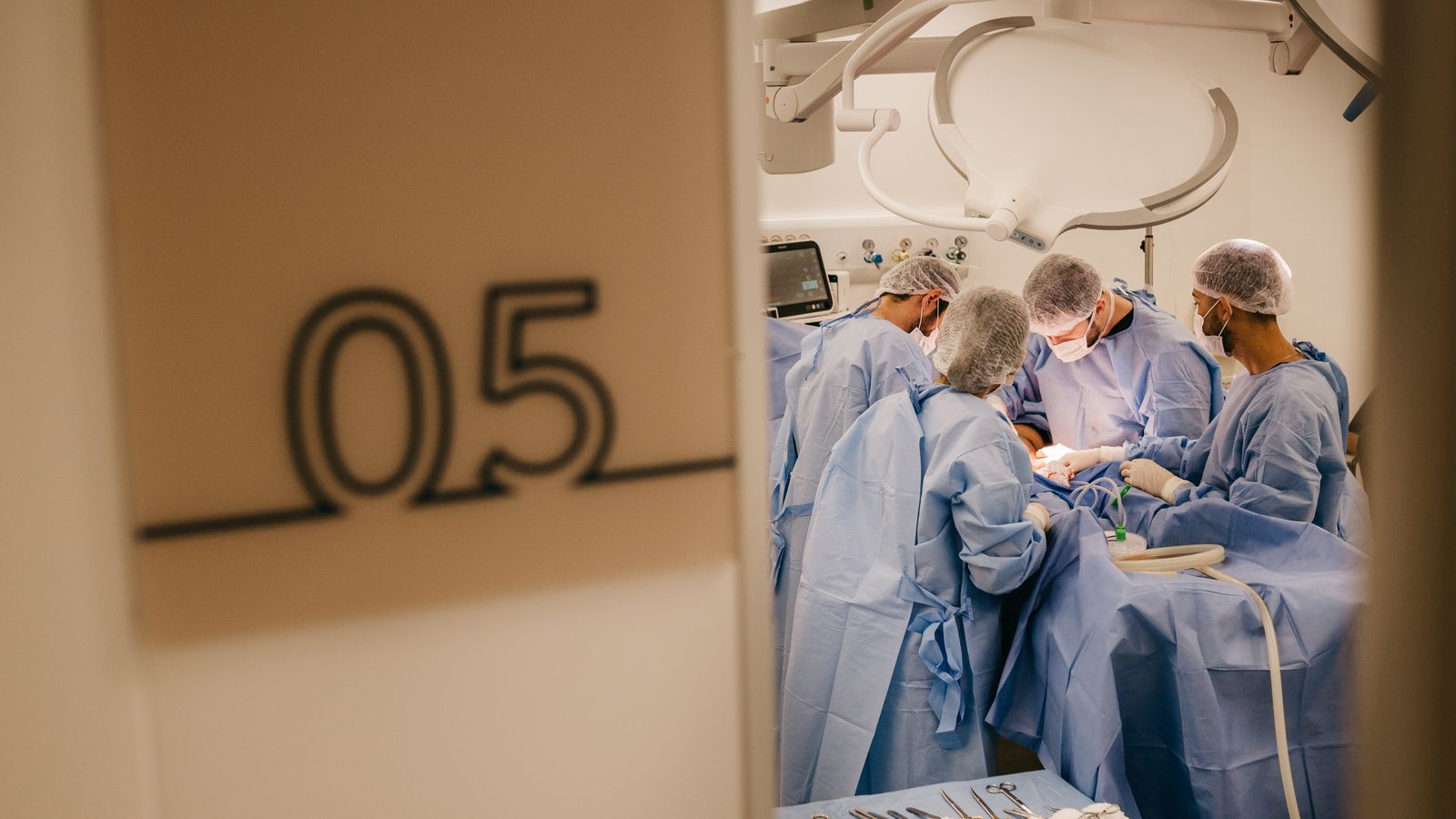
Colorectal surgery treats diseases of the large bowel (colon) and rectum, including cancer, diverticular disease, inflammatory bowel disease and severe polyps. It involves removing the diseased segment and rejoining healthy bowel. Many operations are now done laparoscopically (keyhole), which means smaller incisions, less pain and a faster recovery.
The colon and rectum can be affected by a range of conditions, from cancer and diverticular disease to inflammatory bowel disease. When medicines are not enough, surgery to remove the diseased part of the bowel can be curative or greatly improve quality of life. Dr. Sujan Shrestha performs colorectal surgery using both keyhole and open techniques, chosen to suit each patient's condition.
कोलोरेक्टल सर्जरी भनेको ठूलो आन्द्रा र मलद्वारसम्मको भागका रोग — जस्तै क्यान्सर र डाइभर्टिकुलर रोग — को शल्यक्रिया हो, जुन प्रायः किहोल विधिबाट गरिन्छ।
Overview
Colorectal surgery is a broad term for operations on the large bowel — the colon and rectum — which form the final part of the digestive tract. The general aim is to remove a diseased segment, such as a tumour or a badly inflamed area, and then rejoin the healthy ends of bowel so that normal function continues. This joining is called an anastomosis.
Increasingly these operations are performed by laparoscopy (keyhole surgery), working through several small incisions with a camera and fine instruments rather than one long cut. In some situations, a temporary or permanent stoma (an opening on the abdomen to collect waste) is needed, which is always discussed carefully beforehand.
Conditions it treats
- Colon and rectal cancer
- Diverticular disease and its complications
- Inflammatory bowel disease (Crohn's disease and ulcerative colitis) when medication fails
- Large or precancerous polyps that cannot be removed endoscopically
- Bowel obstruction or perforation
- Rectal prolapse and other structural problems
Key benefits
- Removes cancer and diseased bowel, offering a chance of cure
- Keyhole approach means smaller incisions and less pain
- Shorter hospital stay and faster return to normal activity
- Lower risk of wound infection and hernia than open surgery
- Preserves bowel function and, wherever possible, avoids a permanent stoma
- Allows accurate staging and examination of the removed tissue
How the procedure is performed
The operation is carried out under general anaesthesia. In a laparoscopic procedure, the abdomen is gently inflated with carbon dioxide and a camera is inserted through a small incision. Working through further small ports, the surgeon frees the diseased segment of colon or rectum along with its blood supply and nearby lymph nodes, removes it, and rejoins the healthy ends of bowel.
The type and extent of surgery depend on the condition and its location — for example a right or left hemicolectomy, sigmoid colectomy or an operation on the rectum. When the bowel cannot be safely rejoined straight away, a temporary stoma may be formed and reversed later. Some cases are best done by open surgery, and the approach is always tailored to the individual.
Preparing for surgery
Before surgery you will have blood tests, imaging (such as CT), and often a colonoscopy to confirm the diagnosis. Bowel preparation to empty the colon may be prescribed, along with instructions on fasting. Tell the surgical team about all your medicines, especially blood thinners and diabetes treatment. If a stoma is a possibility, a specialist nurse will meet you beforehand to explain and mark the site.
Recovery & aftercare
Modern recovery programmes help patients get back on their feet quickly. Most people begin sips of fluid and gentle walking within a day of surgery, and hospital stays are commonly a few days after keyhole procedures. Full recovery takes several weeks, during which heavy lifting is avoided. Your team will guide diet, wound care and any further treatment, and provide ongoing support if a stoma has been formed.
Risks & considerations
- Bleeding or infection
- Leakage from the join in the bowel (anastomotic leak)
- Temporary or, occasionally, permanent stoma
- Change in bowel habit while the bowel adapts
- Blood clots in the legs or lungs
- Small chance of conversion from keyhole to open surgery
Frequently asked questions
Not usually. In most operations the healthy ends of bowel are rejoined so no stoma is needed. Sometimes a temporary stoma is created to protect the join and is reversed later, and only occasionally is a permanent stoma required — this is always discussed with you beforehand.
Yes. Many colon and rectal operations are now performed laparoscopically, which means smaller incisions, less pain and a quicker recovery. The suitability of the keyhole approach depends on your condition and is assessed for each patient.
Hospital stay after keyhole surgery is often just a few days, with light activity resuming over the following weeks. Full recovery generally takes several weeks, and heavy lifting is avoided during this time.
Most people return to a near-normal bowel habit once the bowel adapts, though this can take some weeks. Changes are more noticeable after rectal surgery, and your team will advise on diet and any helpful measures.
When cancer is caught early and removed completely, surgery offers a very good chance of cure. Some patients also need chemotherapy or radiotherapy, and this is planned together with the wider cancer team.
Get a clear answer from a specialist
Dr. Sujan Shrestha (MBBS, MS, MCh) offers evidence-based, minimally invasive care for colorectal surgery and the full range of GI conditions.