GI Cancer Surgery
Specialised surgery to remove cancers of the digestive tract — with the best possible chance of cure.
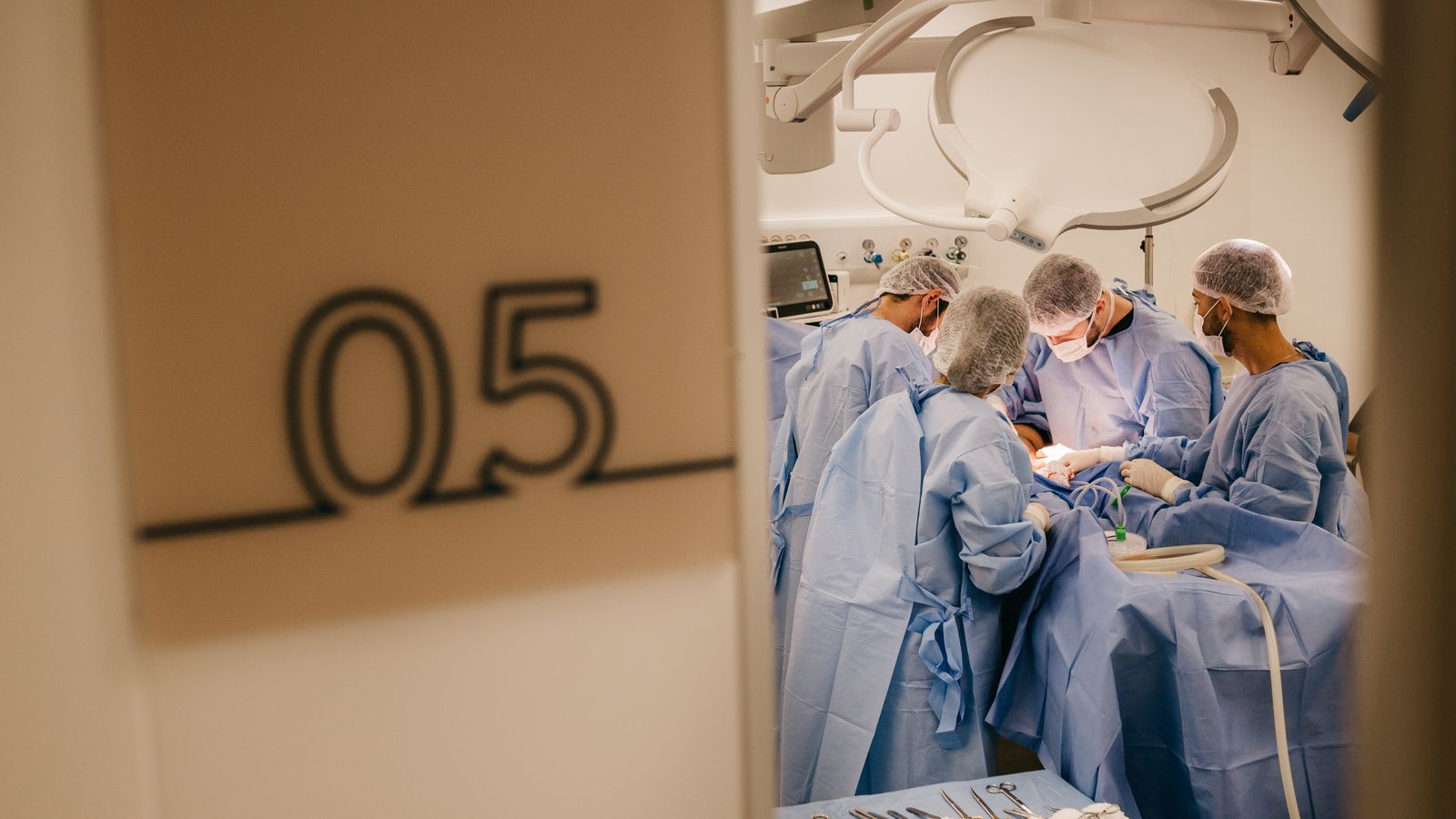
GI cancer surgery removes cancers of the digestive system — the stomach, colon, rectum, esophagus, liver, pancreas and gallbladder — together with nearby lymph nodes, so the disease is cleared completely. It is the main curative treatment for most GI cancers and is increasingly done using minimally invasive and robotic techniques for a smoother recovery.
Cancers of the gastrointestinal tract are among the most common cancers worldwide, and for most of them surgery offers the best chance of a cure. GI cancer surgery — also called surgical oncology of the digestive system — is highly specialised work that demands precision, careful planning and experience. Dr. Sujan Shrestha performs surgery for cancers across the digestive tract as part of a comprehensive, team-based approach to cancer care.
जीआई क्यान्सर शल्यक्रियाले पेट, आन्द्रा, मलाशय, ग्रासनली, कलेजो, प्यान्क्रियास र पित्तथैलीको क्यान्सरलाई नजिकका लिम्फ नोडसहित हटाएर निको पार्ने प्रयास गर्छ।
Overview
GI cancer surgery is the removal of a cancer arising anywhere in the digestive system, along with a margin of healthy tissue and the nearby lymph nodes that drain the area. Removing these lymph nodes is essential — it clears any early spread and tells the team the true stage of the disease, which guides further treatment.
This covers a wide range of operations, including surgery for cancers of the stomach, colon and rectum, esophagus, liver, pancreas and gallbladder. Each is planned individually around the tumour\'s type, position and stage. Wherever it is safe and appropriate, Dr. Shrestha uses minimally invasive laparoscopic and surgeon-powered robotic techniques to achieve the same cancer-clearance goals through much smaller incisions.
Conditions it treats
- Stomach (gastric) cancer
- Colon and rectal (colorectal) cancer
- Esophageal cancer
- Liver cancer and cancer spread to the liver
- Pancreatic cancer and periampullary tumours
- Gallbladder and bile-duct cancer
- Large or high-risk polyps and early-stage GI tumours
Key benefits
- Complete removal of the tumour with clear margins — the key to cure
- Lymph node clearance that allows accurate staging
- Minimally invasive and robotic options where suitable
- Less pain, smaller scars and shorter hospital stay with keyhole surgery
- Faster return to eating, walking and normal life
- Care planned by a multidisciplinary cancer team
How the procedure is performed
The approach is chosen for each patient and cancer. Many GI cancer operations can now be performed laparoscopically or with surgeon-powered robotic assistance, through several small incisions using a magnified camera view and fine instruments. More complex cases, or larger tumours, may need open surgery for the safest and most complete result.
Whatever the approach, the principles are the same: remove the tumour with a healthy margin, clear the draining lymph nodes, and restore the digestive tract — for example by re-joining the healthy ends of the bowel or stomach. The operation is carried out under general anaesthesia and its length depends on the organ involved and the complexity of the case.
Preparing for surgery
Before surgery you will have staging scans (CT, MRI or PET), blood tests and often an endoscopy or colonoscopy to define the tumour precisely. Your fitness for surgery is assessed, and any anaemia or nutrition problems are corrected beforehand. You may be asked to stop blood-thinning medicines and to fast for several hours before the operation. Your surgeon will explain the plan, the likely recovery and what to expect at each step.
Recovery & aftercare
Recovery depends on the type and extent of the operation. Minimally invasive and robotic techniques often mean less pain, an earlier return to eating and a shorter hospital stay. You will be encouraged to walk soon after surgery to speed healing and prevent complications. After you go home, regular follow-up with scans and blood tests helps confirm that you are well, and some patients also receive chemotherapy or radiotherapy to reduce the chance of the cancer returning.
Risks & considerations
- Bleeding or infection, as with any major surgery
- A leak where the bowel or stomach is re-joined (anastomotic leak)
- Blood clots in the legs or lungs, reduced by early walking
- Temporary changes in digestion, appetite or bowel habit
- Chest infection, more likely after upper-abdominal surgery
- Occasional need to convert a keyhole operation to open surgery for safety
Frequently asked questions
Surgery is the main curative treatment for most digestive-tract cancers, but not every case. The plan depends on the type and stage of cancer and is decided by a specialist team, sometimes alongside chemotherapy or radiotherapy.
Many GI cancer operations can now be performed laparoscopically or with surgeon-powered robotic assistance. These achieve the same cancer-clearance goals through small incisions, with less pain and a quicker recovery for suitable patients.
This varies with the operation and your recovery. Minimally invasive surgery often shortens the stay, while larger or open operations need longer. Your surgeon will give you an expected timeline before the procedure.
Some patients do and some do not. Chemotherapy or radiotherapy may be given before or after surgery to shrink a tumour or lower the risk of recurrence. This is decided by the cancer team based on the final pathology.
Most patients return to a normal or near-normal diet over time. When part of the stomach or bowel is removed, some adjustments to eating may be needed, and the team will guide you through this during recovery.
Get a clear answer from a specialist
Dr. Sujan Shrestha (MBBS, MS, MCh) offers evidence-based, minimally invasive care for gi cancer surgery and the full range of GI conditions.